
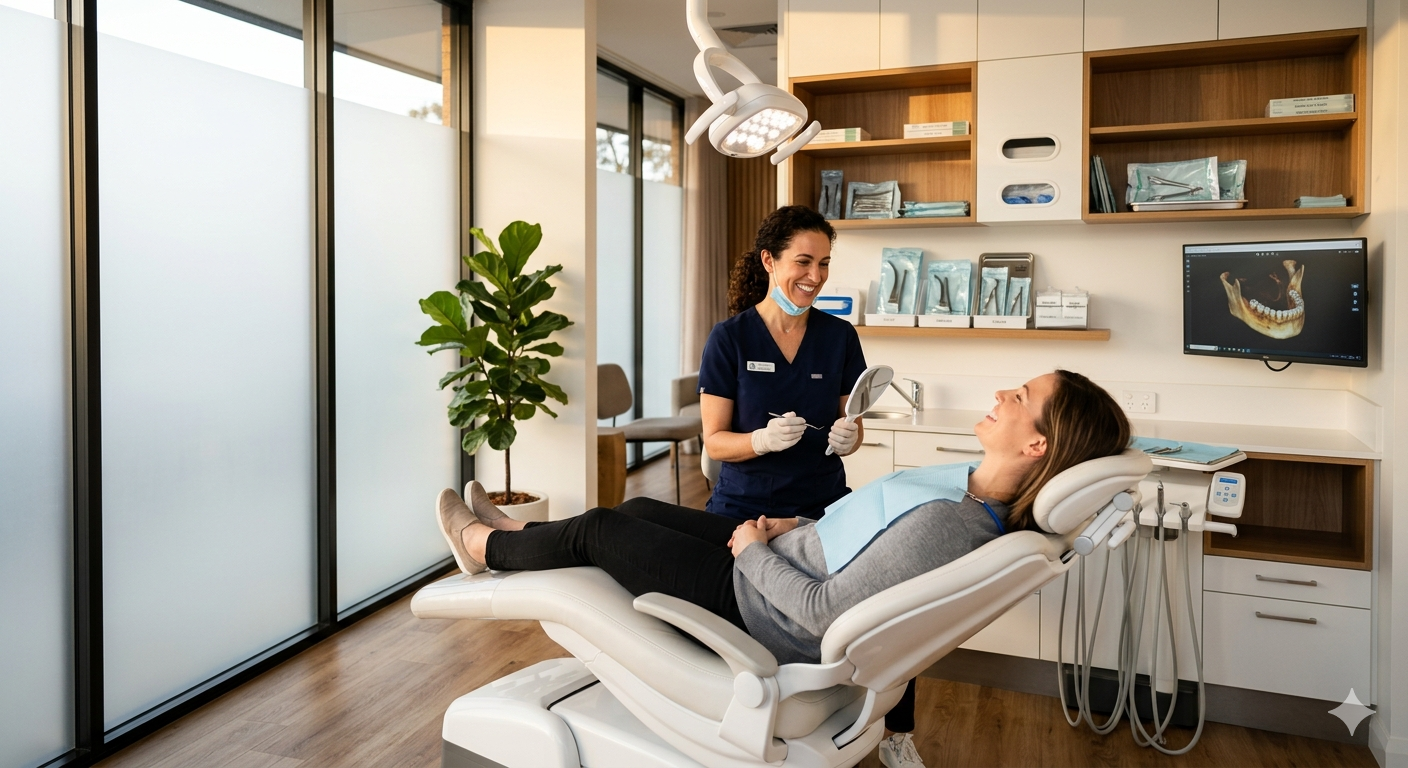
When a dental emergency strikes, having access to reliable orthodontic care in Maywood, CA is essential. Emergency orthodontic care ensures that issues like broken braces, loose wires, or sudden pain are addressed quickly to prevent further discomfort or damage.
People often hesitate to seek immediate help, thinking these problems can wait. In reality, early treatment can save time, reduce pain, and protect the progress made in orthodontic treatment.
Orthodontic specialists in Maywood use modern techniques to fix emergencies efficiently while prioritizing patient comfort. Knowing where to turn can make all the difference when unexpected problems arise.
When orthodontic problems occur, knowing which ones demand quick attention can prevent discomfort and potential complications. Certain signs and causes clearly point to an emergency, while understanding severity helps decide when to seek care promptly.
Orthodontic emergencies often include sudden pain, broken appliances, or injury to the mouth. A common sign is severe discomfort from loose or poking wires, which can irritate cheeks or gums.
Bleeding gums, swelling, or trauma to the face also indicate urgent care is needed. If a bracket detaches and causes pain, or if wires are cut or bent sharply, these require prompt evaluation.
Other warning signs include difficulty swallowing or breathing due to braces components shifting. Immediate attention prevents infection or prolonged damage.
Discomfort can result from normal adjustment after tightening, but persistent pain may signal an issue. Eating hard or sticky foods often leads to broken brackets or bent wires, causing sharp edges to press against soft tissues.
Playing contact sports without a mouthguard increases risk for appliance damage. Accidental hits or falls might loosen hardware or cause cuts inside the mouth.
Poor oral hygiene can also cause inflammation around braces, making tissues sore and sensitive. Understanding these causes helps patients avoid problems and recognize when pain is beyond typical soreness.
Not all issues require immediate dental visits. Mild irritation from loose ligatures or minor soreness after adjustments can be managed at home temporarily.
But severe pain, swelling, or metal parts causing cuts need urgent care. If a wire sticks out and cannot be pushed back safely, or if a broken bracket causes pain when eating or talking, professional help is important.
A quick self-check of these symptoms helps determine whether a same-day appointment is necessary or if waiting for a scheduled visit is safe. Knowing when to act reduces discomfort and keeps treatment on track.
When orthodontic issues arise, quick actions can reduce pain and prevent further damage. Simple home care techniques help manage discomfort and protect braces until professional care is available.
Pain and swelling often come with emergency orthodontic problems. Applying a cold compress to the affected area for 15 minutes at a time can help numb pain and reduce swelling. Avoid placing ice directly on the skin to prevent irritation—wrap it in a towel or use a cold pack.
Over-the-counter pain relievers like ibuprofen or acetaminophen can ease discomfort. However, it’s important to follow dosage instructions carefully. Eating soft foods and avoiding hard or chewy items also minimizes irritation to tender spots in the mouth.
If a bracket breaks loose from the wire but remains attached to the tooth, it’s best to leave it alone until a dentist sees it. If the bracket causes irritation by rubbing against your cheek or gums, orthodontic wax offers a simple fix. Flatten a small piece of the wax and press it over the broken bracket to create a smooth surface.
Avoid trying to remove or reposition a loose bracket yourself, as this can damage the braces further. Keep the area clean by gently brushing or rinsing with saline solution to prevent infection.
Wires can sometimes shift and poke the inside of the mouth, causing sharp pain or sores. To prevent this, try using a cotton swab or the eraser end of a pencil to push the wire back toward the tooth gently.
If that isn’t possible, orthodontic wax can cover the end of the wire to protect soft tissues. Cut a small piece, soften it between fingers, and place it over the irritating wire tip. Avoid cutting wires on your own, as improper handling can worsen the problem.
If pain or irritation continues despite these steps, contacting an orthodontic specialist should be the next move.
Knowing when to get prompt care can prevent minor orthodontic issues from turning into bigger problems. Certain symptoms and incidents demand immediate attention to avoid pain, damage, or treatment delays.
If an orthodontic appliance breaks, such as a loose bracket or a poking wire, it may cause discomfort or cut the inside of the mouth. Sudden, sharp pain or swelling around the teeth and gums signals the need for quick professional evaluation.
Trauma to the mouth—like a fall or sports injury—that loosens or dislodges braces, wires, or retainers requires urgent care to secure the device and assess any underlying damage. Persistent bleeding from orthodontic appliances or severe toothache during treatment always warrants immediate consultation.
Maywood offers several orthodontic clinics equipped to handle urgent cases. Patients can call their regular orthodontist’s emergency line directly for advice or immediate appointments. Many offices provide after-hours contact numbers or quick online booking systems.
It’s helpful to keep your orthodontist’s contact info handy and explain clearly what happened when calling. If the problem causes intense pain or swelling, seeking emergency dental services at a nearby clinic alongside contacting the orthodontist can ensure timely treatment and comfort.
When kids or teens face orthodontic emergencies, managing their stress and ensuring their treatment continues smoothly are the top priorities. Comfort, clear instructions, and quick responses make a big difference in these situations.
Children and teens often feel scared or uneasy when an orthodontic emergency happens. Parents and caregivers should remain calm and reassure them that the problem can be fixed. Simple language helps—explaining what’s wrong and what will be done to help keeps fears at bay.
Distraction techniques, such as talking about favorite activities or playing quiet games, can also help calm nerves. If pain is involved, using over-the-counter pain relief as recommended before arriving at the orthodontist can ease discomfort. Encouraging deep breaths and positive thinking supports emotional control too.
Emergency issues like broken brackets or loose wires can disrupt treatment progress. It’s important to contact the orthodontist quickly so they can schedule a repair or provide guidance on temporary solutions at home. Delaying care might extend treatment time.
Parents should keep track of appointments and encourage kids to avoid hard or sticky foods after repairs. Wearing protective gear during sports and practicing good oral hygiene are key to preventing further problems. Clear communication with the orthodontic team ensures treatment stays on schedule.
Maintaining healthy teeth and braces requires consistent care and attention. Simple habits can reduce damage and discomfort while promoting effective treatment.
Brushing after every meal is essential for avoiding plaque buildup around brackets and wires. Use a soft-bristled toothbrush and a fluoride toothpaste, brushing at a 45-degree angle to clean along the gum line and around the braces.
Flossing daily is important but tricky with braces. Patients should use a floss threader or orthodontic floss to slide between wires and teeth gently. Interdental brushes or water flossers are also helpful alternatives to reach tight spaces.
Avoid sugary or sticky foods such as caramel, gum, and hard candies, which can loosen brackets or cause decay. Regular dental checkups and cleanings help spot issues early and keep teeth healthy during treatment.
Wearing a custom-fitted mouthguard is crucial during contact sports like football, basketball, or hockey. A mouthguard not only protects the braces but also cushions teeth from impact, reducing injury risk.
For non-contact activities, it’s still wise to use protective gear if there’s any chance of falls or blows. Patients should avoid chewing on hard objects such as pencils or ice, which can bend or break orthodontic hardware.
If an emergency occurs, like a broken wire or bracket, prompt consultation with the orthodontist minimizes discomfort and prevents treatment delay. Knowing proper care steps can reduce future emergency visits.
Maywood orthodontists provide quick responses and hands-on care when orthodontic emergencies arise. They focus on calming patients’ worries and offering clear steps to fix issues efficiently.
Orthodontists in Maywood handle a range of urgent problems like broken brackets, loose wires, or painful poking wires. They often provide same-day or next-day appointments to prevent discomfort and complications.
Common services include:
These practices use modern tools and materials designed for quicker repairs and lasting results. Immediate care helps avoid setbacks in treatment progress and reduces pain for patients.
Maywood specialists prioritize making patients feel safe and understood during urgent visits. They explain procedures in simple terms and listen carefully to any concerns.
Comfort measures include:
Open communication ensures patients know what to expect and how to care for their orthodontic appliances afterward. This supportive environment helps maintain trust and eases the stress of unexpected issues.
If an orthodontic emergency happens, the first step is to stay calm and assess the situation carefully. Patients should contact their Maywood orthodontist promptly to explain the issue and schedule an urgent appointment.
In many cases, simple at-home care can provide relief until professional help is available. Applying orthodontic wax or rinsing with warm salt water can ease discomfort and protect irritated areas.
Encourage patients to keep a small emergency kit handy with items like orthodontic wax, a small mirror, and over-the-counter pain relief. Preparing ahead makes dealing with minor emergencies less stressful.
It’s important to remember that modern orthodontic care offers effective solutions for most problems that arise. From broken brackets to loose wires, specialists can often fix issues quickly and comfortably.
Patients should not hesitate to ask their orthodontist any questions about what to do during an emergency. Clear communication helps reduce anxiety and ensures everyone knows the best next steps.
Visiting the orthodontist soon after an emergency helps prevent further damage. Early treatment often means faster healing and better results, keeping the smile healthy and on track.
Key Actions to Remember:
Encouraging timely care and calm responses will help patients feel confident and supported throughout their treatment journey.
Emergency orthodontic issues require timely action to minimize discomfort and prevent complications. Understanding when to act, self-care tips, and how to recognize serious problems can help patients and parents respond confidently.
An orthodontic emergency includes severe pain, broken or loose braces, wires poking the gums or cheeks, and any trauma affecting the teeth or appliances. Immediate care is needed if there’s significant bleeding, swelling, or signs of infection.
If a wire is poking, patients can gently push it away with a clean eraser or cover it with orthodontic wax. Broken brackets should be covered with wax to avoid irritation. Avoid cutting wires at home; wait for professional care.
Mild soreness or pressure after adjustments is normal and usually subsides within a few days. Sharp, persistent pain, swelling, or sores that don’t heal may indicate a problem requiring prompt attention.
A suspected tooth infection needs urgent evaluation, ideally within 24–48 hours, to prevent spread. The “3-3-3 rule” suggests seeing the orthodontist if pain lasts more than 3 days, swelling persists over 3 cm, or fever is above 100.4°F for 3 days.
In case of injury, rinse the mouth with warm water and apply gentle pressure to any bleeding area. Keep any broken pieces and contact the orthodontist immediately to assess damage and start emergency care.
Follow all care instructions closely, wear protective gear during sports, and attend all scheduled appointments. Avoid hard or sticky foods that can damage appliances, and report any discomfort early to prevent problems from worsening.